
More than ten years after publishing my first story about a Lego Castell Coch model, I’m excited to share another beautiful creation from a talented Lego builder.
Antonio Mortola shared some pictures on social media last year and I recently got in touch to find out more about his work and this amazing model.
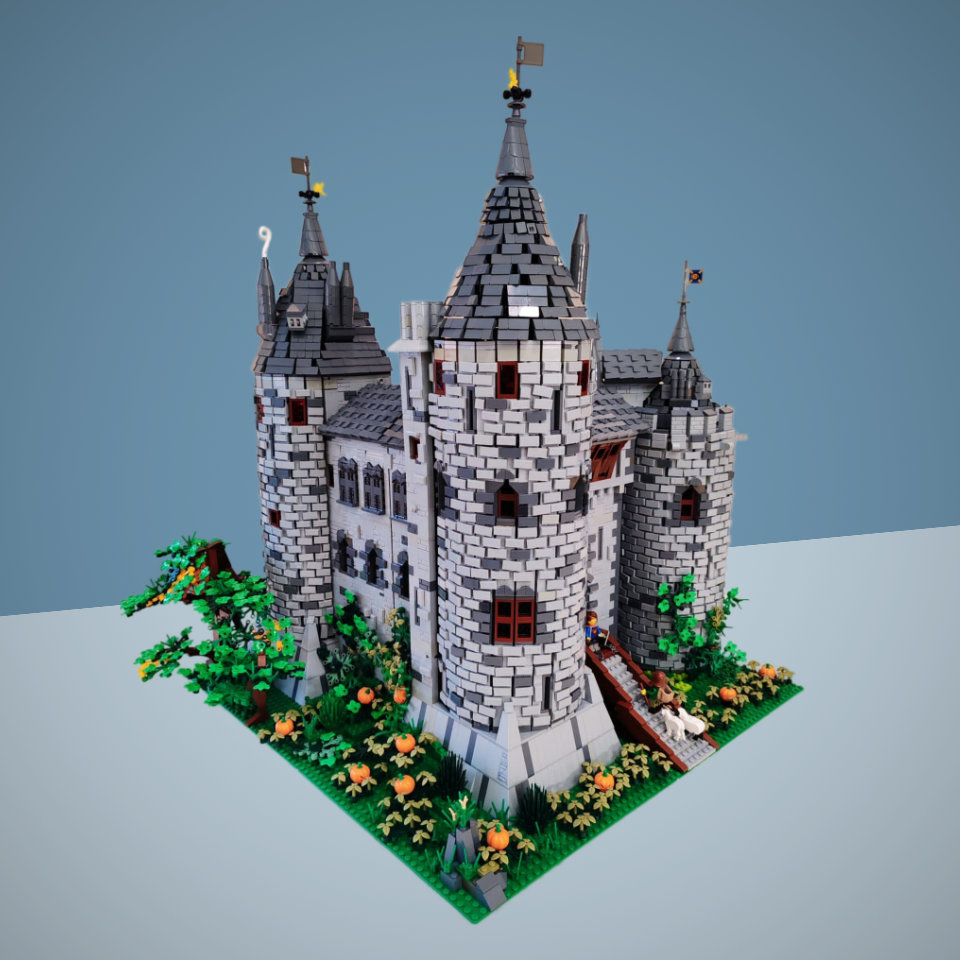
Antonio’s fascination with Lego began, like many of us, in his childhood. He enjoyed many Lego themes but had a particular fondness for Castle and Space. He constructed a wide array of sets, from robots and spaceships to buildings, boats, and, of course, castles.
However, Antonio’s serious Lego building endeavours didn’t start until 2016. He has an amazing talent for recreating real-world monuments, especially those located in Italy.
He has meticulously crafted accurate Lego replicas of the Castello di Fénis in the Aosta Valley and San Giulio Island (Isola di San Giulio) in Lake Orta, Piedmont. His current project is a Roman Empire set, drawing inspiration from digital reconstructions. He’s also working on custom commissions for various themes, including spaceships.
Antonio dedicates a portion of each day to his Lego projects, finding time around his other interests. He typically reserves his evenings for Lego building, spending two to three hours on his creations.
The inspiration for building Castell Coch was his mother’s collection of Lilliput Lane models, one of which depicted the Welsh castle. Intrigued, Antonio researched the castle online, discovering photos and information that helped him establish the proportions for his own Lego model.

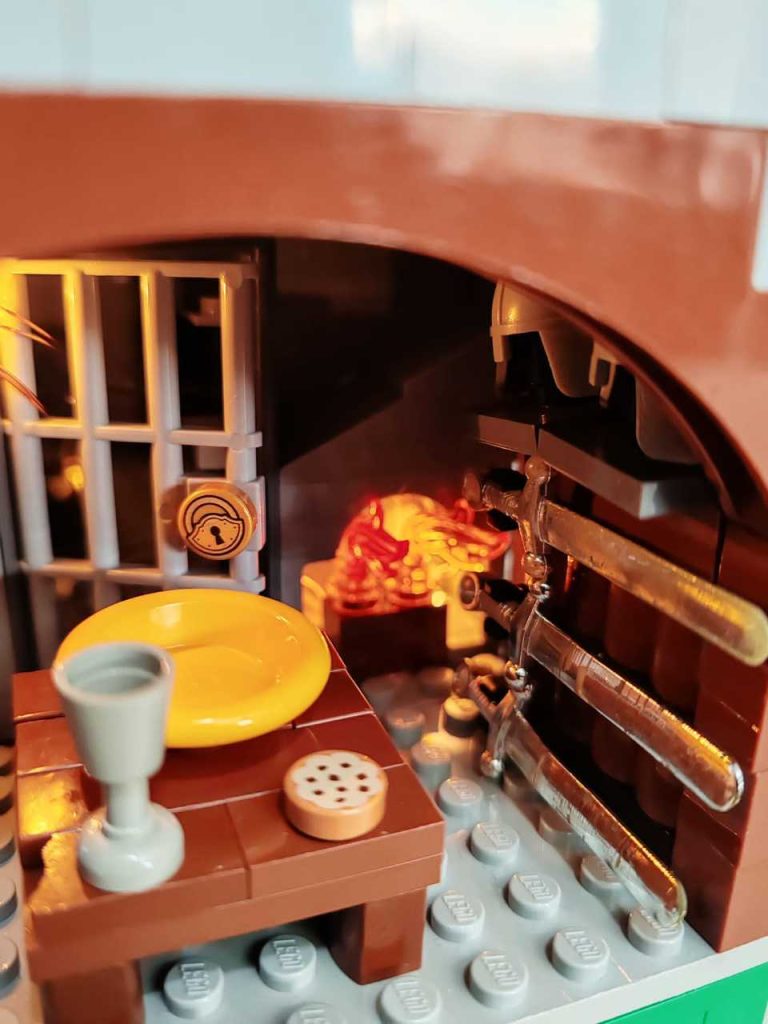
Antonio told me he started with the most challenging aspect of the build: the curved curtain wall, a daunting task considering its complex angles and pitched roof. He was excited to construct some interior furnishings and incorporate lighting.
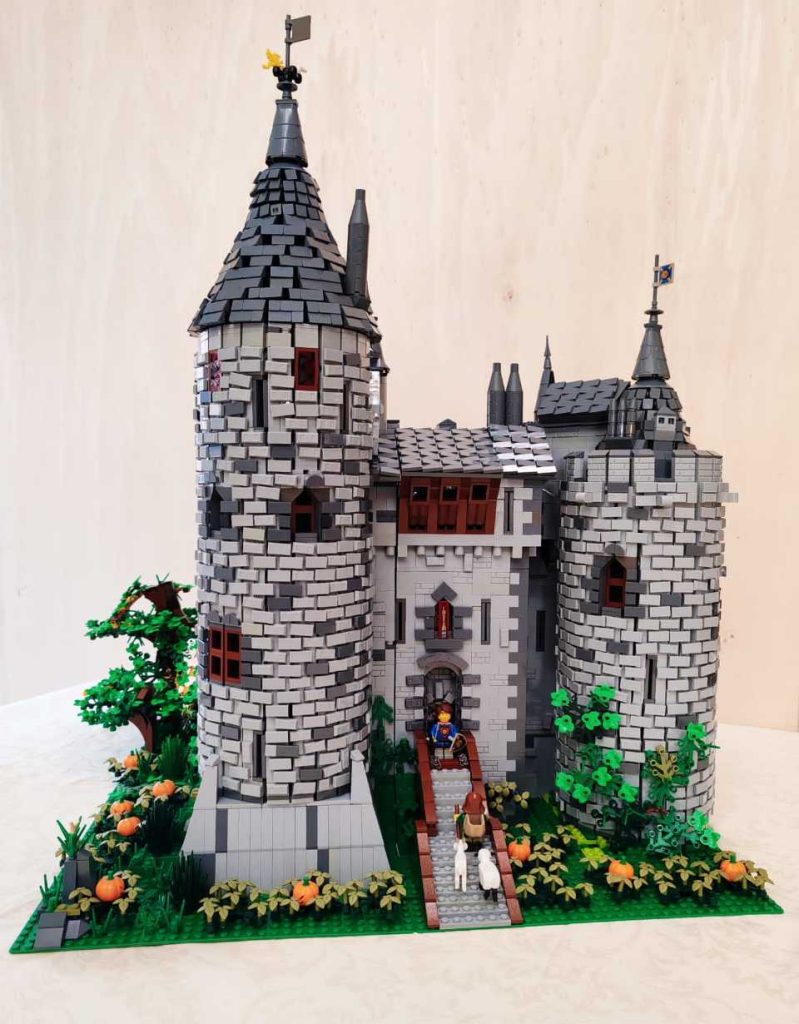
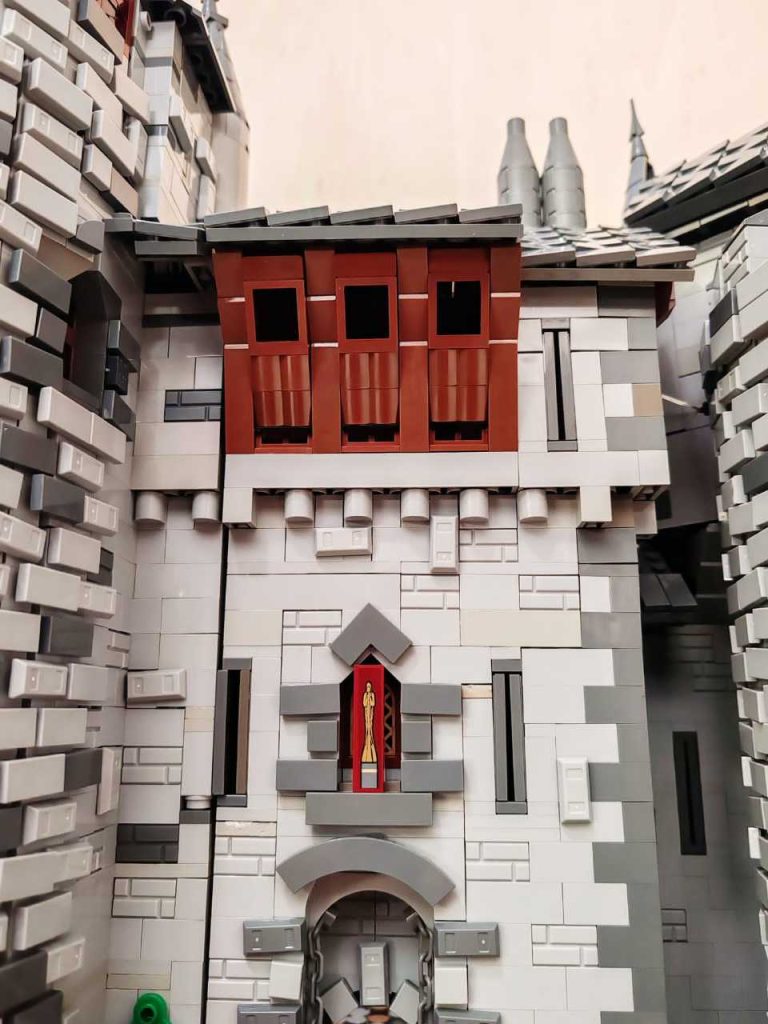
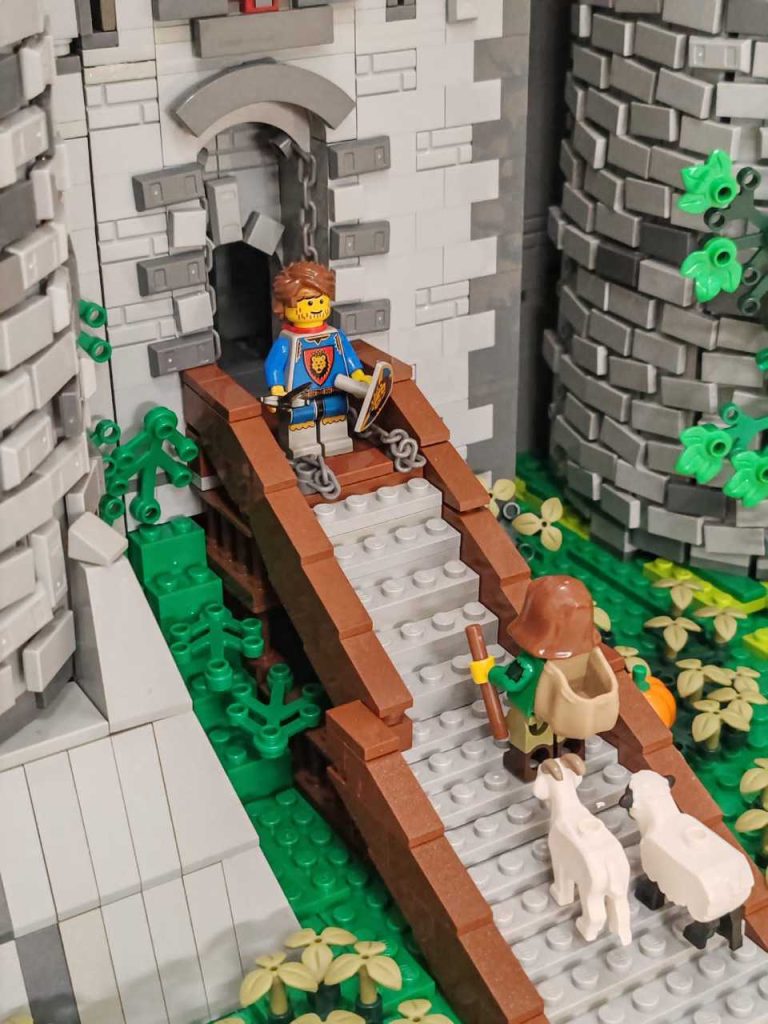
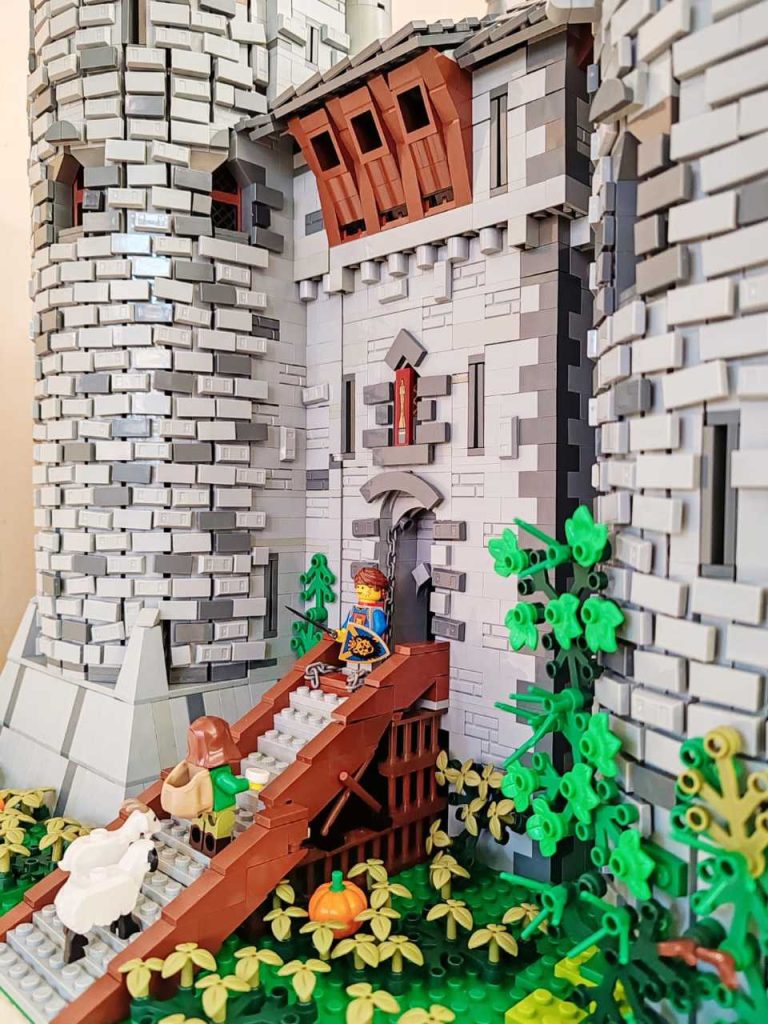
When I first saw the model, I was so impressed by the texture of the stonework and roofs. The attention to detail is staggering with clever solutions and parts usage. Antonio’s also added some delightful touches of personality and storytelling.

The build used around 25,000 pieces, measures 52 by 52 centimetres and stands approximately 90 centimetres tall. Antonio invested around 190 hours in its construction.
Following the completion of Castell Coch, he built Chilton Priory in Somerset.

Antonio’s goal is to see his creations displayed in settings where they can be enjoyed by others, rather than simply stored in boxes at home. Some of his best models are already exhibited in museums in Italy and private residences.
He’s currently focusing on the completion of his Roman Empire display. His future projects will depend on his inspiration and client requests.



I can’t thank Antonio enough for sharing these images and helping with this article. You can view more fantastic models on his website and follow him on Instagram.
All images are the copyright of Antonio Mortola.


Wow, amazing and spectacular creations – I’ve always been impressed by your digital representations of places in the village including Castell Coch, but this is just mind-blowing. I can’t even begin to imagine the care and effort Antonia took to create it. Thanks for the information about his other works too.
Unbelievably outstanding!
Thans so much for this fantastic experience.